
Teacher Perceptions on Education in the Metaverse
Intro
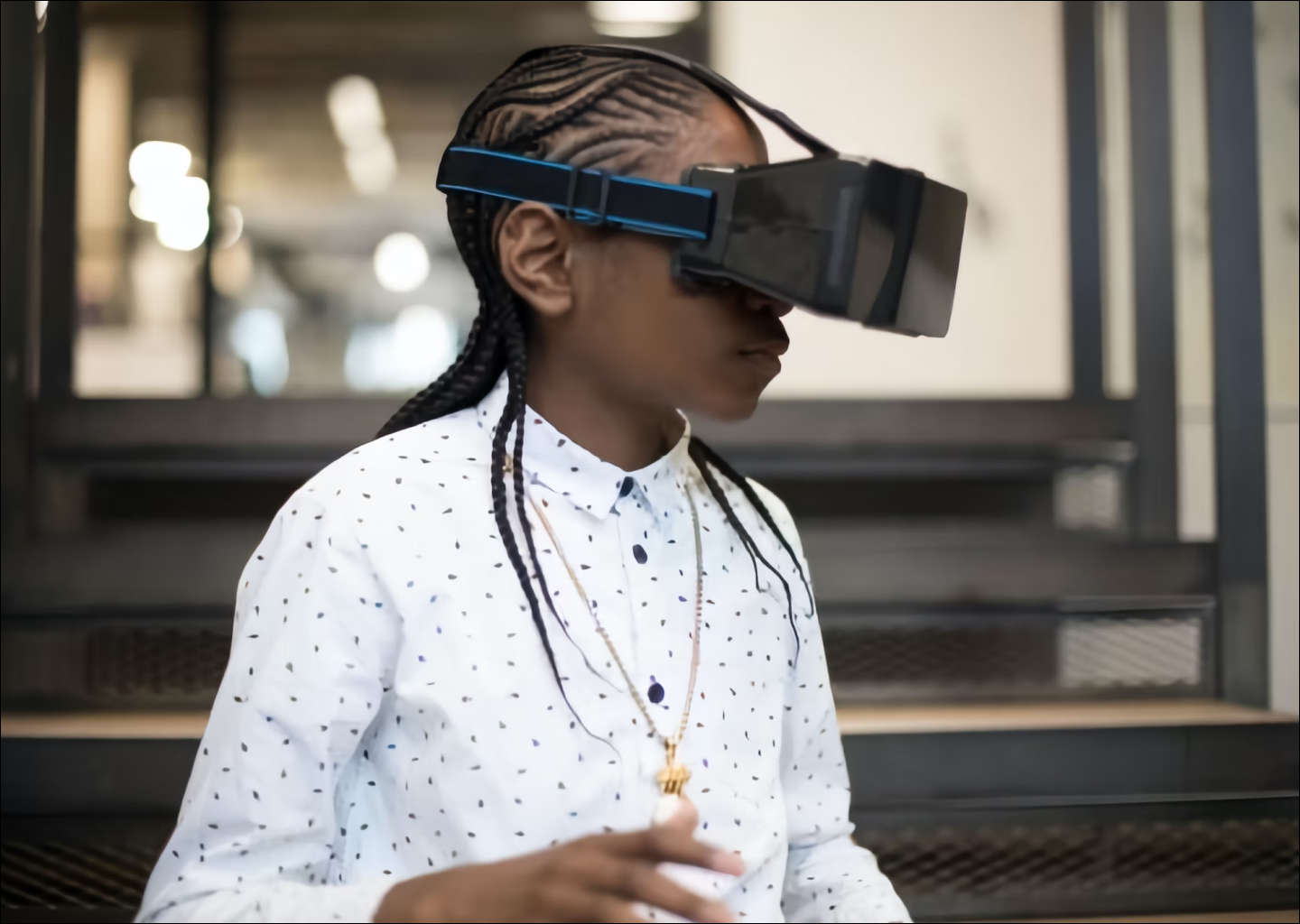
The use of the metaverse is already upon us. Research from 2021 shows that teens aged 13-18 use VR for social reasons up to 22 hour s a week during the school year, and up to 60 hours a week when not. The real question isn't when this phenomena will get bigger or more use, but more where it will will get bigger: in the workplace? Only as a social release? What about in the classroom?
The last question is what this project centers around: how do teachers feel about using the metaverse as a learning tool in the classroom? This study goes in depth into collecting qualitative data through user interviews with US-based teachers to better understand this question.
My Role
As a UX Researcher, my role in this project was to work with another UX researcher using a more academic research model:
- Conduct secondary research
- Primarily academic research on the topic
- Develop a scoped research plan and interview script
- Conduct user interviews
- Conduct qualitative analysis
- Create a codebook, review/create transcripts of interviews
- Present on our findings.
Preparation
Secondary Research
Because this was a qualitative study, we first decided to focus our efforts on academic literature regarding the metaverse and education. We learned the following:
- All types of the metaverse provide a social communication space, a high degree of freedom, and lets the student be more actively engaged in the learning process.
- Inexperienced teachers tended to have more positive attitudes towards technology, but were no more confident in their technology skills than experienced teachers.
- On average, teens use VR on average of 22 hours/week during the school year vs 60 hours a week in during the summer months
- VR applications will inevitably be adopted in everyday life whether we like it or not
Scoped Research Plan
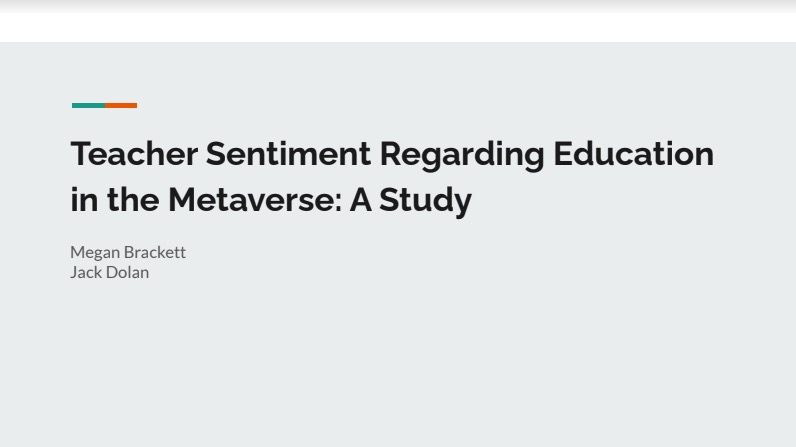
With a good understanding of the problem space, we next needed to prepare to present our qualitative research idea to our stakeholders. To do so, we prepared a slide deck with these questions as the central focus:
- Primary
- How willing are US teachers to use the metaverse as a tool in the classroom?
- Secondary
- Does the grade that the teacher teaches impact their sentiment towards education in the metaverse?
- Does the amount of experience (i.e time spent teaching) the teacher has impact their sentiment towards education in the metaverse?
After presenting this plan, we received stakeholder approval to move forward in conducting this qualitative data.
Recruiting
We decided to use a survey to both receive quantitative information about our research questions and to recruit participants. Our target was to recruit 9 participants (3 teachers from elementary, middle, and high school).
We ended up receiving 25 responses in total from various social media platforms (Facebook, Instagram, Reddit), with 7 respondents willing to do an interview with us.
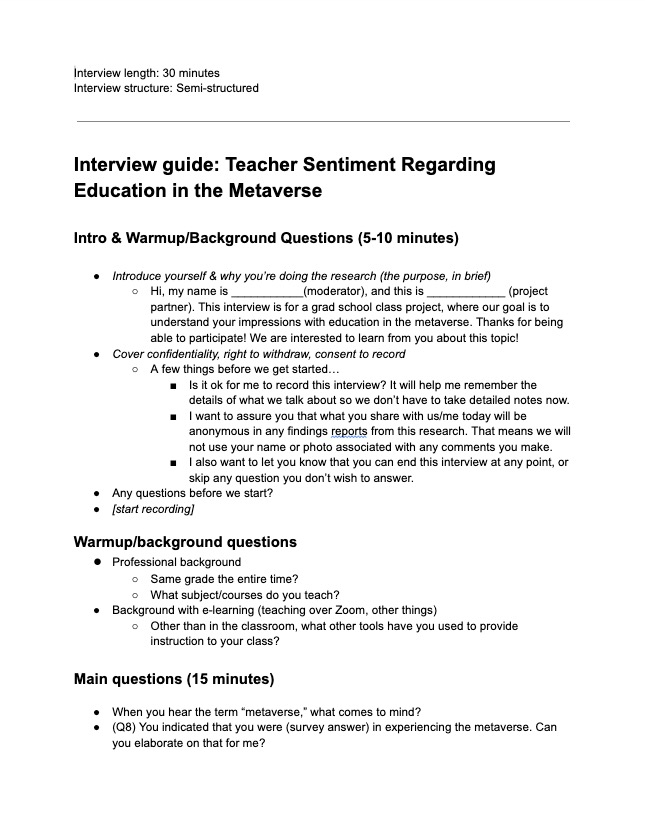
Interview Guide
Our survey already contained the responses to questions that were directly linked to our research questions, so we planned to use our interviews to further elaborate on those answers and gather more qualitative information.
User Sessions
Each session was 30 minutes long and conducted virtually over Zoom. All of our sessions were recorded, and transcripts were later compllied and tagged for note taking purposes.
Results
Transcripts
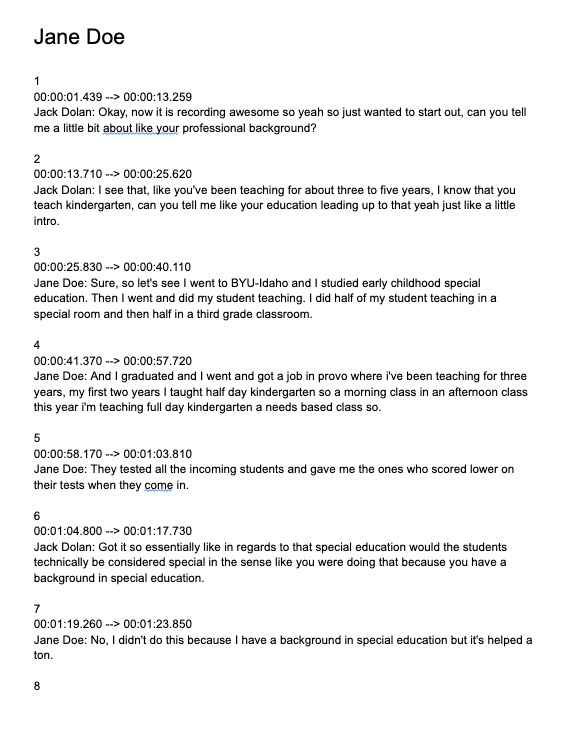
Zoom provided a starting point for our transcripts, so we went through and refined them so that they were accurate. The participants' names have been anonymized to not conflict with our original promise to keep their results confidential.
Analysis Codebook
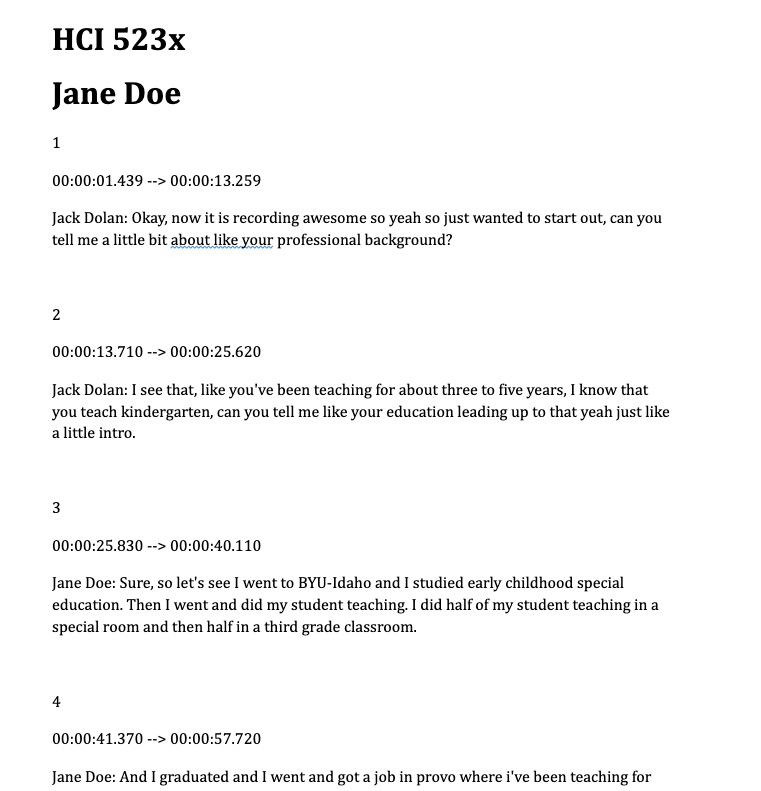
To find central themes across all of our interviews, we created a codebook and began tagging all of the comments in our interviews.
We used a codebook over an affinity diagram because our stakeholders outlined one of our deliverables as a codebook from the outset.
Results Shareout
We shared our results to our stakeholders with the following insights relating back to our original research questions:
- Teachers are willing to use the metaverse in the classroom, answering our central research question, deeming our study a success
- The grade the teacher teaches does affect their sentiment using the metaverse as a classroom tool
- The amount of experience the teacher has does impact their sentiment
Next Steps
- Conduct statistically significant analysis for secondary questions
- Not done due to time constraints
- Conuct more research with a larger sample size to compare with this smaller sample
What I Learned
Below are my thoughts on what I learned during this research study:
- Make sure the deliverables and expecations from stakeholders are outlined from the outset
- Provide actionable insights in your shareout so that designers and PMs are able to easily know what next steps might be
Projects

Privato FitnessDiscovery research, visual design, design systems, user flows, user stories, data synthesis, how might we questions, usability testing
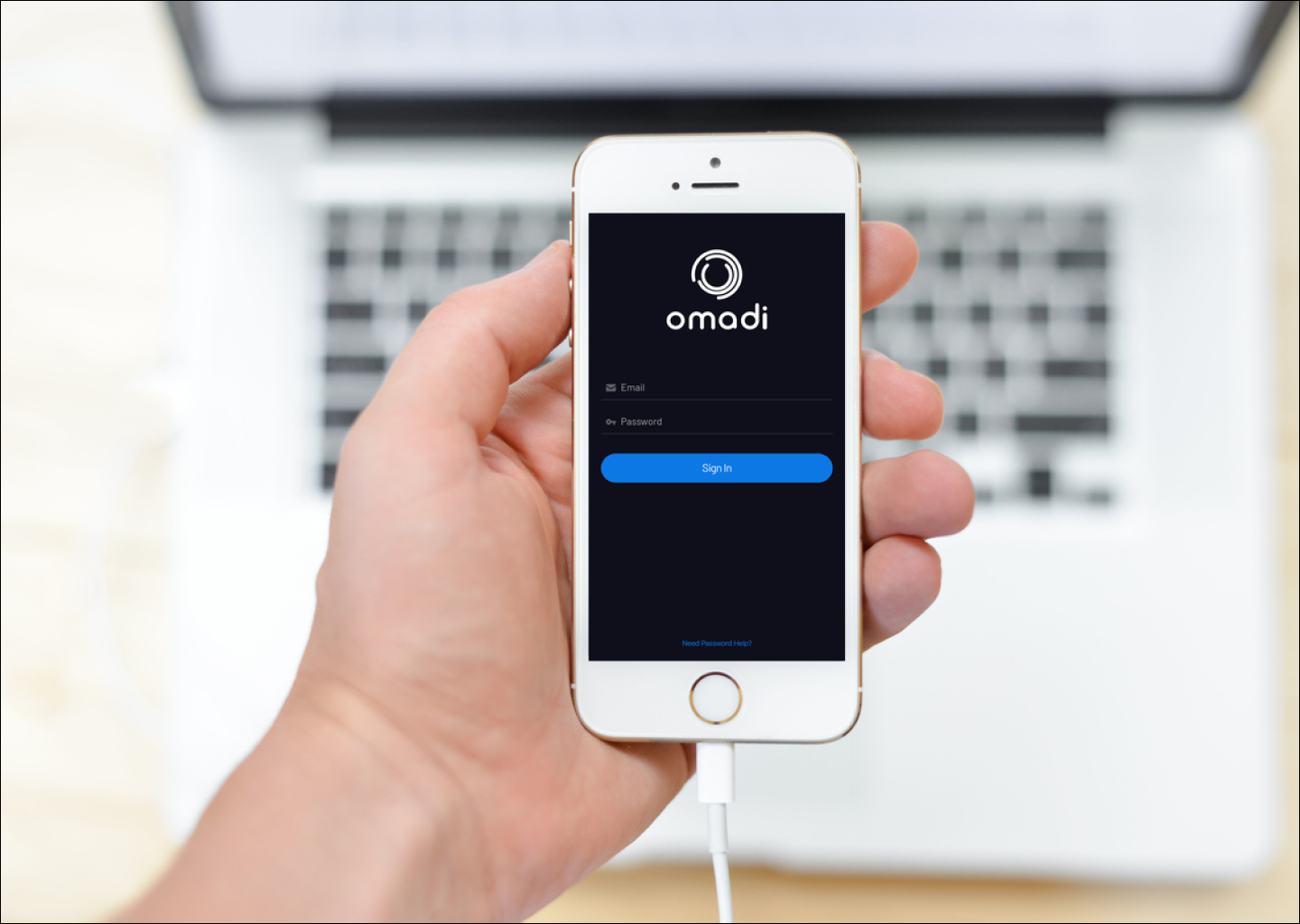
Omadi Torch-Problem Sync & performance issues, painful usability, high task completion time -Solution Only sync information drivers need, all towing types in one list, geo-tagging, consistent workflow for all jobs, interactive photos & damage reporting, mobile payments, eliminate time consuming inventory. -Role My role was as Jr. UX designer on the project. As Jr. UX designer, I owned the workflow of conducting field research with current users of the Omadi mobile platform, as well as assisted with the redesign process (visual design, user journeys, user flows, etc).
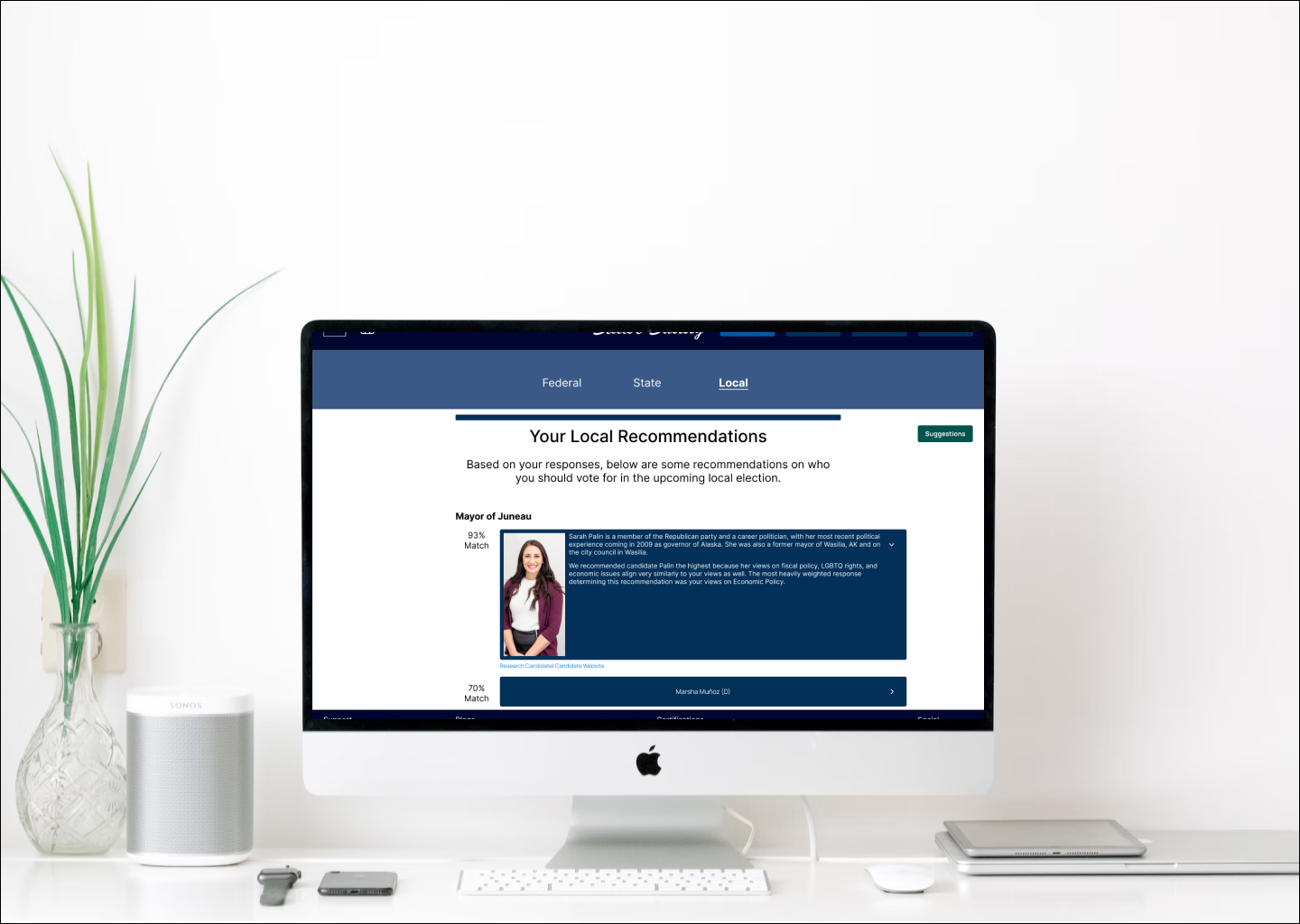
Ballot BuddyProject type
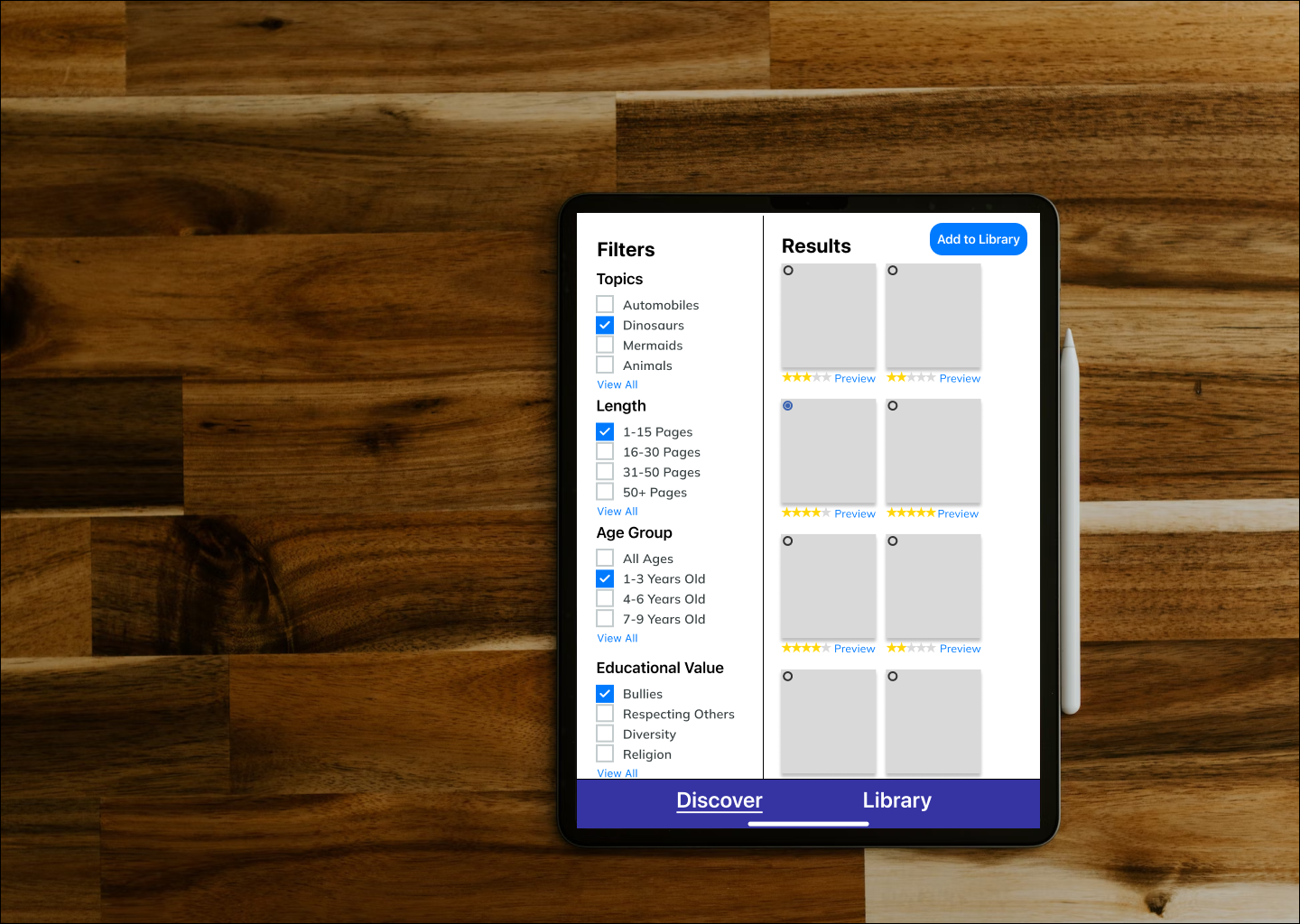
TinyTales Design SprintSpringboard
Metaverse UX ResearchProject type
Ticket Admin ResearchProject type


© Copyright 2018 - All rights reserved